Halloween decorations are packed away, pumpkins are starting to fade, and the mornings in St. Charles County are crisp. 🍂
Now comes the part of fall that many dog owners overlook, the seasonal yard cleanup. Between piles of wet leaves, soggy grass, and hidden piles from weeks of busy schedules, it’s easy for waste to get buried and forgotten. But those hidden “treats” don’t just disappear. They change your soil, attract pests, and spread bacteria through water and ice as winter approaches. Let’s look at why fall yard cleanup for dog owners isn’t just about appearances, it’s about protecting your yard, your dog, and your community.
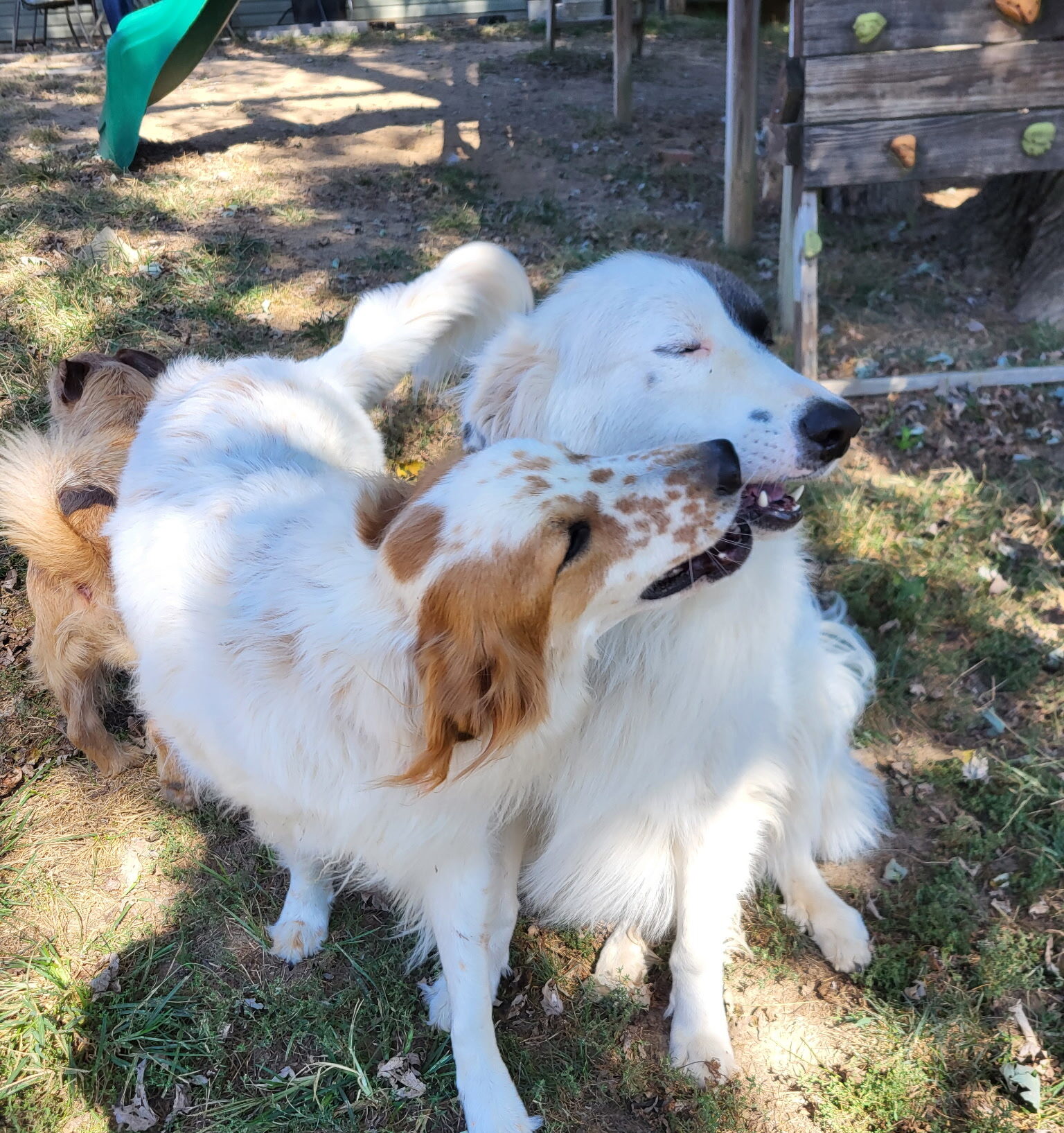
Autumn is beautiful, but it’s also bacteria season. When leaves pile over waste, moisture and decaying matter combine to form the perfect breeding ground for parasites like roundworm and whipworm. Cold weather slows decomposition, which means dog waste can persist for months.
The EPA’s Pet Waste Management Fact Sheet explains that pet waste carries nutrients and pathogens that wash into storm drains and local waterways. Even one rainy afternoon can carry thousands of bacteria downstream.
Each gram of dog waste may contain millions of fecal bacteria, a small amount with big environmental consequences. When left through the fall, that waste freezes in place, then thaws in spring, releasing concentrated runoff into your yard and beyond.
The CDC warns that dog feces can spread parasites and bacteria such as E. coli, Salmonella, and roundworm eggs capable of surviving for years in soil.
When kids or other pets play outside, they can easily come in contact with contaminated dirt or grass. Moist fall conditions also attract rodents and insects that spread disease.
As temperatures dip, owners often scoop less frequently, but cold weather doesn’t neutralize germs. Studies show that many pathogens remain viable even below freezing. By spring, the yard that looked “clean enough” in November can become a health hazard once everything thaws.
Dog waste is not fertilizer. It’s high in nitrogen, phosphorus, and salts that damage root systems and kill beneficial soil organisms. The University of Helsinki study showed that areas with high dog activity had altered soil chemistry and reduced plant diversity.
When waste breaks down, excess nitrogen creates dead spots that resemble fertilizer burn. Beneath the surface, compacted waste layers block oxygen, suffocating roots. Combined with heavy fall rains, this leads to uneven grass growth and muddy patches that persist all winter.
Pet waste isn’t just a yard problem, it’s a water problem.
The USDA blog on Pet Waste Disposal Systems and the Stormwater Center Factsheet both note that dog waste is a leading source of nutrient pollution in urban runoff. When it enters storm drains, it adds nitrogen and phosphorus to waterways, fueling algae blooms that choke oxygen from fish and wildlife.
In short, what’s left behind in one yard can impact an entire community. St. Charles County’s many creeks and detention ponds make proper cleanup even more important. Everything eventually drains somewhere.
Fall weather works against cleanliness. Gusty winds scatter leaves and disguise where your dog has gone. Wet layers trap odor and make scooping unpleasant. Once frost sets in, waste sticks to the ground and becomes difficult to remove without tearing grass.
Even responsible owners may miss piles hidden under leaves. That’s why a systematic cleanup, done before the first freeze, prevents a springtime “surprise” of half-decomposed waste across the yard.
Regular scooping through November helps:
Reduce slippery patches caused by decomposing matter.
Prevent mold and bacteria buildup under leaves.
Keep turf breathable heading into winter dormancy.
Survey the yard first. Walk the perimeter to spot hidden piles and leaf buildup near fences or play areas.
Rake lightly. Pull leaves back in sections so you don’t smear waste into the grass.
Scoop, then bag. Use durable bags, tie them securely, and dispose in household trash. Never compost or bury dog waste.
Disinfect high-traffic zones. Use an enzymatic or oxygen-based cleaner labeled safe for pets and lawns to reduce odor and bacteria.
Check drains and gutters. Remove leaves or debris that could send contaminated runoff into storm drains.
Finish with deodorizer. A light pet-safe deodorizing spray prevents lingering smells and deters re-soiling.
The Stormwater Coalition’s Pet Waste Guide reminds owners that small, regular cleanups are far more effective than occasional large ones. Waiting until the weekend often means double the effort.
Once December arrives, temperatures in St. Charles County frequently dip below freezing. Dog waste doesn’t break down, it freezes in place. When spring thaw arrives, all that waste melts with the snow and flows across lawns and sidewalks, carrying bacteria into gutters.
Frozen waste also traps odor and moisture that attract wildlife such as raccoons and stray cats. These animals can dig through the snow, spreading contamination further. Removing waste now, while the ground is soft, prevents a winter freeze-and-thaw mess.
If your schedule is full or your yard feels overwhelming after weeks of rain and leaves, professional help is worth considering. Doggy Doods provides full fall cleanups and recurring visits across O’Fallon, Cottleville, St. Peters, and nearby areas.
A professional cleanup offers:
Consistent timing. Scheduled visits prevent buildup before frost.
Proper disposal. Waste is bagged, hauled away, and managed safely.
Attention to detail. Pros check corners, fence lines, and garden beds often missed during DIY sessions.
Hiring help before winter can reset your yard’s health and save you hours of cold-weather chores later.
Fall yard cleanup for dog owners is more than seasonal tidying, it’s year-end prevention. Regular scooping protects your grass, keeps bacteria out of waterways, and ensures a cleaner start to spring.
If autumn chores are piling up, let Doggy Doods take one off your list. 👉 Get a free quote today and enjoy a fresh, healthy yard all season long.
How do you handle fall cleanup at your house? 🍁
Do you scoop as you go or dedicate one big day before winter? Share your best strategies, or the challenges you face, in the comments. We’d love to hear how other St. Charles County families keep their yards fresh this time of year.
See why busy St. Charles County dog families trust professional pooper scooper services.