The fall colors around St. Charles County are beautiful, but the season can be rough for our dogs. While you’re raking leaves and sipping cider, your pup might be scratching, licking, or sneezing more than usual.
Just like people, dogs can react to pollen, mold, and dust that build up in the fall. The trick is knowing when a little itch is normal, and when it’s time to call your veterinarian.
Today’s Doggy Doods Digest explains what causes fall dog allergies, the symptoms to watch for, and how a clean yard can help reduce flare-ups.
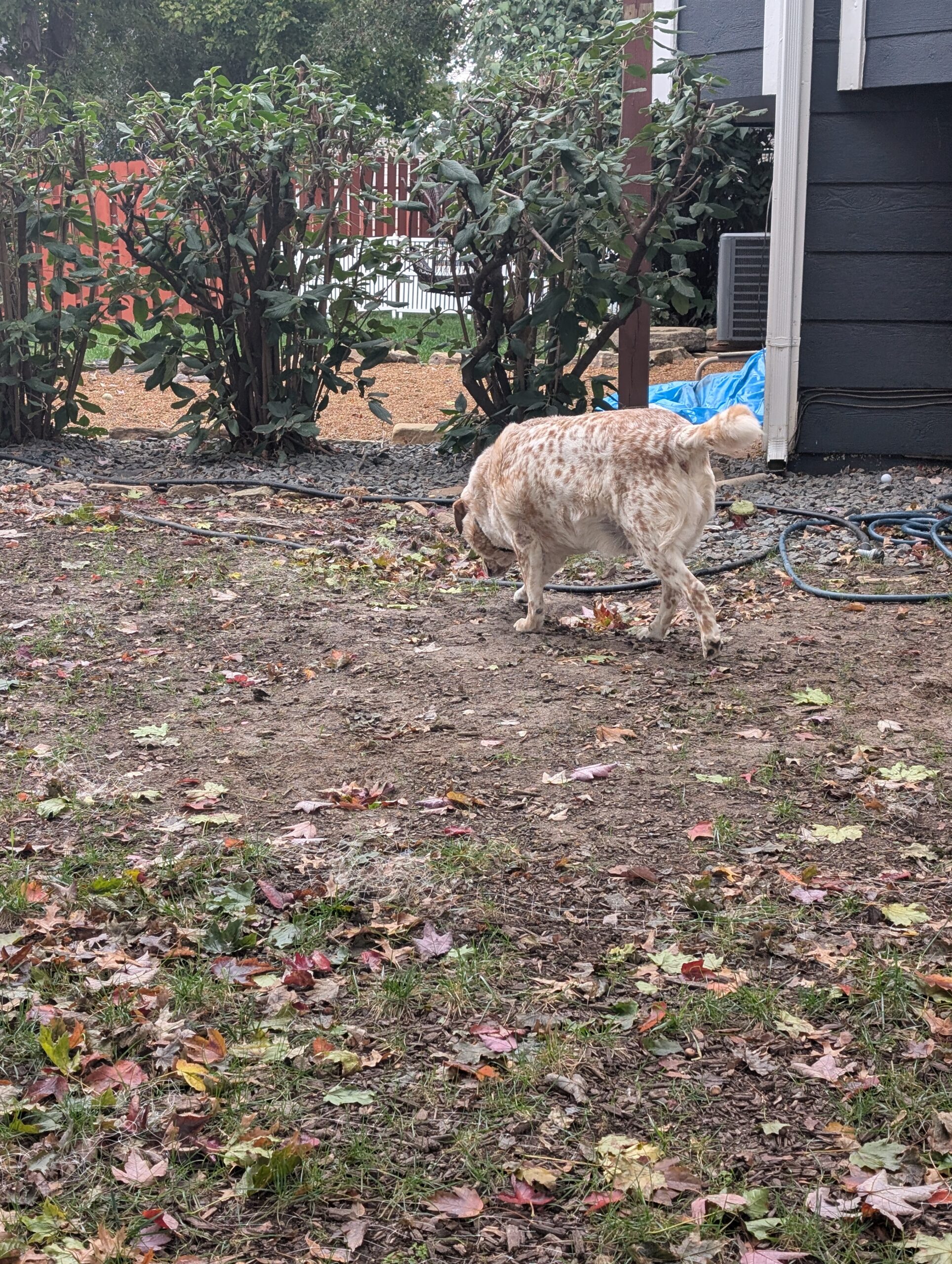
As leaves pile up and temperatures drop, environmental changes create the perfect storm for canine allergies.
According to the American Kennel Club, dogs can develop seasonal allergies to airborne triggers such as:
Mold spores hiding under damp leaves or mulch
Ragweed pollen that lingers through late October
Dust mites that collect in heating vents as furnaces turn on
Certain weeds or grasses that thrive before the first frost
Dogs breathe, lick, and walk through these irritants every day. The result can be itchy skin, watery eyes, or red paws. Especially for breeds already prone to allergies like retrievers, bulldogs, and terriers.
Cornell University’s Canine Health Center explains that atopic dermatitis (environmental allergy) often starts showing between one and three years of age, but symptoms can worsen seasonally throughout life.
Every dog reacts differently, but these are the most frequent symptoms veterinarians see:
Excessive licking of paws or belly
Red or irritated skin
Repeated ear infections or head shaking
Watery eyes or mild discharge
Sneezing or nasal irritation
Hair loss from scratching or chewing
If you notice these symptoms for more than a week, it’s time to check in with your vet. Persistent scratching can lead to secondary infections that need medication to heal.
The AKC Pet Insurance guide notes that fall allergies often look like flea or food allergies, which is why professional testing is important for long-term relief.
A little itch after a romp in the grass is normal. But if your dog’s skin looks red, their coat dulls, or they can’t sleep from scratching, that’s more than a mild reaction.
The AKC’s Dog Skin Allergies overview suggests calling your vet if:
Your dog’s scratching wakes them up at night
The skin smells yeasty or oily
There are visible sores or scabs
Your dog seems restless or anxious from constant itching
These signs often mean a bacterial or yeast infection has developed. Your vet might recommend antihistamines, medicated shampoos, or prescription allergy treatments to stop the cycle.
You can’t remove every allergen, but small changes make a big difference.
Fallen leaves and leftover dog waste can trap moisture, pollen, and mold. All things that make allergies worse. Uncollected waste doesn’t just look bad; according to the EPA, it contains bacteria and organic material that can irritate the air when disturbed.
Regular scooping helps reduce these irritants and keeps your dog’s outdoor space healthier. If keeping up with yard cleanup feels tough, Doggy Doods can help by keeping your yard consistently fresh and waste-free all season long.
After walks, use a damp cloth to remove pollen and debris from your dog’s paws, chest, and belly. It’s quick, gentle, and helps prevent allergens from spreading indoors.
Too many baths dry the skin, but a medicated or oatmeal-based shampoo once every few weeks can rinse away irritants. Always dry your dog thoroughly to avoid trapped moisture.
Vacuum and wash your dog’s bedding weekly. Allergens cling to fabric and carpet, so regular cleaning helps limit contact.
Omega-3 fatty acids from fish oil support skin health and reduce inflammation. Ask your vet which supplement is right for your dog’s size and breed.
A clean yard does more than look nice. It’s a simple step toward protecting your dog’s skin and immune system.
In St. Charles County neighborhoods like O’Fallon, St. Peters, and Cottleville, damp piles of waste and leaves can trap allergens and bacteria. Doggy Doods removes the waste, reducing one of the biggest allergy triggers dogs face at home, what they step in.
Fall allergies can be frustrating, but with a clean yard, simple grooming habits, and the right veterinary care, your dog can stay comfortable through every season. Paying attention early keeps small irritations from turning into big problems.
Doggy Doods is proud to help St. Charles County families protect their pets and their yards from allergens all year long.
Fewer sneezes, cleaner paws, get your free quote today.
Have you noticed your dog scratching more this fall? 🍂
Share your experience. What helps your dog feel better during allergy season?
Find creative indoor and outdoor activities that keep your pup moving even when the temperatures drop.