
The first frosty mornings have arrived in St. Charles County, and your dog probably has mixed feelings about it. Some pups love the chill, others would rather curl up on the couch. As temperatures drop, it becomes harder to keep dogs active, healthy, and mentally stimulated. But movement and enrichment are just as important in winter as they are in summer.
In this week’s Doggy Doods Digest, we’re sharing practical, veterinarian-approved ways to help your dog stay happy and engaged all season long. Whether you’re stuck indoors during freezing rain or braving brisk morning walks, these cold-weather dog activities will make the months ahead more enjoyable for you both.
Cold weather affects dogs in more ways than people realize. Shorter days, icy surfaces, and freezing winds can limit walks and backyard playtime. At the same time, many owners mistakenly think dogs get enough stimulation indoors.
The AVMA’s Cold Weather Pet Safety Guide explains that even breeds with thick coats can develop frostbite or hypothermia if left outside too long. Paws are especially vulnerable to salt, ice, and frozen ground.
Because of these conditions, dogs often spend less time moving, which can lead to weight gain, stiffness, or boredom-driven behavior like chewing and digging. Keeping them active requires creativity and planning, but it’s well worth the effort.
Cold weather doesn’t have to mean lazy days. There are plenty of ways to keep your dog’s mind and body active inside your home.
Teach your dog to stay while you hide somewhere in the house. Then call their name and reward them when they find you. It builds recall skills and burns mental energy.
Scatter a few low-calorie treats or pieces of kibble around one room. Let your dog sniff them out. This kind of scent work keeps their brain busy and satisfies natural foraging instincts.
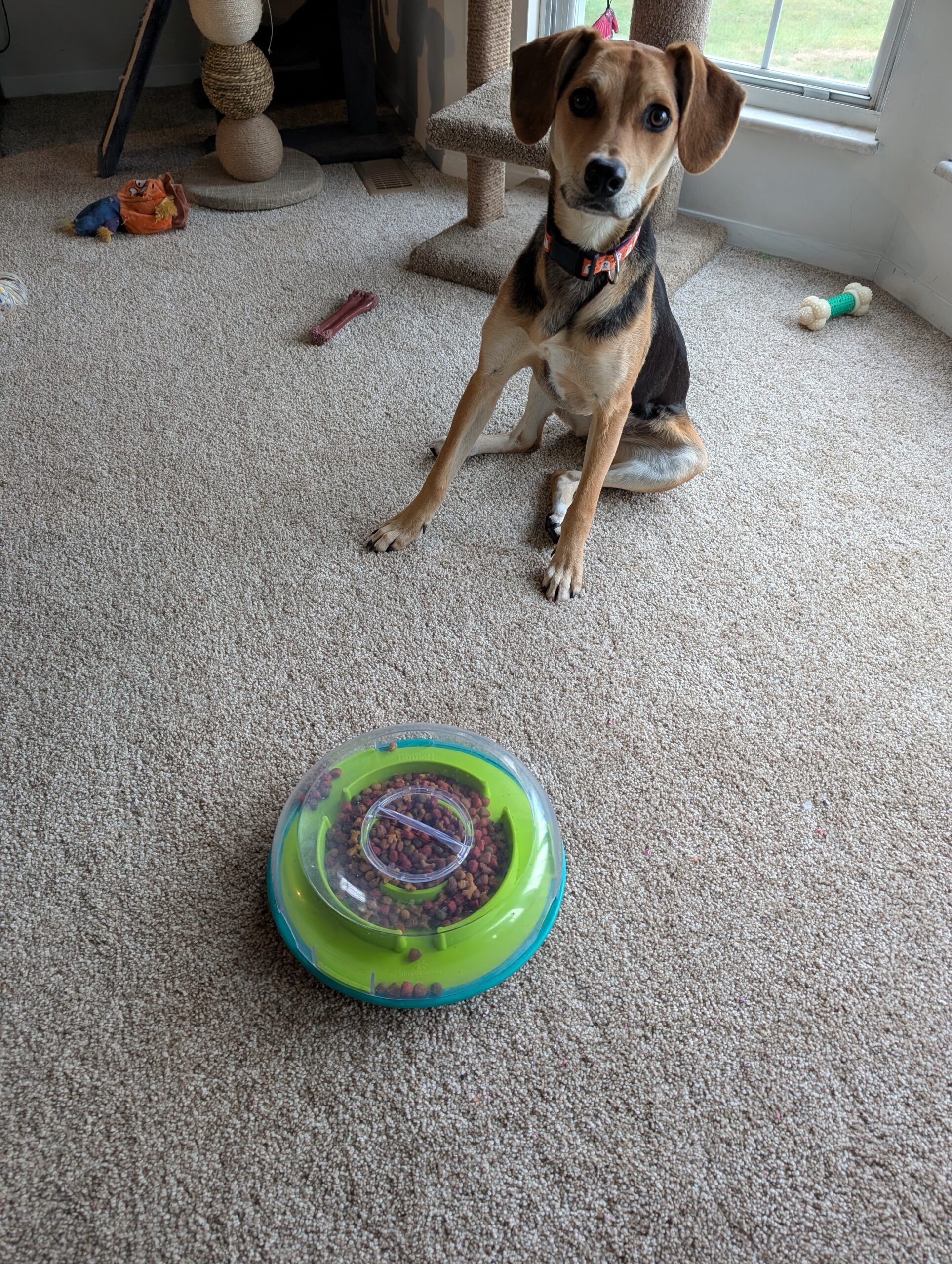
Rotating puzzle toys or snuffle mats can turn dinner into a game. Many dogs eat too fast out of boredom. Enrichment toys slow them down and strengthen problem-solving skills.
Use cushions, tunnels, or chairs to create a simple agility course. Teach your dog to weave, jump, or crawl through it. It’s great for kids too if you want to turn it into a family activity.
Cold months are perfect for brushing up on obedience. Short, positive sessions help keep their minds sharp and improve listening skills once spring walks return.
The AKC’s guide to unique winter activities for dogs adds that even five-minute training bursts can be as tiring as a long walk, especially for high-energy breeds.
When conditions are safe, outdoor time offers fresh air and exercise that’s hard to match indoors. Just keep an eye on temperature, wind chill, and your dog’s comfort level.
Instead of one long outing, take two or three short walks. Stick to cleared sidewalks and avoid areas treated with salt. Wash paws with warm water afterward to remove residue.
Use brightly colored or glow-in-the-dark toys so you can play safely in early morning or evening light. Keep sessions brief and upbeat.
If it snows, let your dog explore in shallow drifts. Hide toys under the snow for them to find. Always monitor for signs of cold stress like shivering or paw lifting.
Meet up with another dog owner for a quick stroll. The companionship helps motivate both you and your dog to get moving.
The ASPCA’s Cold Weather Safety Tips remind owners that every dog has a different tolerance. Puppies, seniors, and small breeds need shorter outdoor playtimes and sometimes even dog-safe coats for insulation.
Cold weather brings more than just lower temperatures, it also changes how your dog’s body works. Here are some important health reminders from veterinarians and trainers alike.
Watch the paws. Ice, salt, and de-icing chemicals can dry or crack paw pads. Wipe paws after each outing and use paw balm if needed.
Keep them hydrated. Dogs still need plenty of water in winter. Cold, dry air can lead to dehydration faster than you might expect.
Stay visible. Dark mornings and evenings make reflective collars and leashes a must.
Limit time outdoors. The AKC’s winter safety guide notes that hypothermia can occur even at temperatures above freezing when combined with damp fur or wind.
Maintain regular vet care. Senior dogs with arthritis or joint issues may need extra support during colder months.
It’s easy to think you can skip scooping when it’s cold outside, but that’s one of the biggest mistakes homeowners make.
Dog waste doesn’t disappear in freezing weather, it just freezes in place. When temperatures rise, all that waste thaws at once, creating a mess that can spread bacteria across your yard and into nearby storm drains.
The EPA’s Pet Waste Management Fact Sheet warns that uncollected dog waste is a major source of nutrient pollution in urban runoff. Winter storms wash frozen waste directly into local waterways, especially in neighborhoods with drainage ditches and retention ponds like many found across St. Charles County.
Keeping your yard clean throughout winter ensures a healthier environment for your family and neighbors, and it keeps those first warm spring days much more enjoyable.
If you’d rather skip cold-weather scooping altogether, Doggy Doods provides reliable cleanup services year-round. We handle the hauling, disposal, and even send a photo of your secured gate after each visit. That means less time freezing outside and more time enjoying your pets indoors.
Cold weather shouldn’t mean lazy, restless dogs or messy yards. With a little creativity and consistency, you can keep your pup healthy, mentally stimulated, and comfortable all winter long.
Whether you’re tossing toys in the snow or playing scent games inside, your dog will love the extra attention, and your yard will stay fresh with a little help from Doggy Doods.
Hot cocoa for you, clean yard for your pup. Book your cleanup today.
How do you keep your dogs active when it’s cold outside? 🐕❄️
Do they prefer indoor games or quick outdoor adventures? Share your favorite winter activity ideas. Your suggestions might help other St. Charles County families keep their pups happy this season!
Discover what really happens when dog waste hides under fall leaves, and how to prevent those hidden hazards before winter hits.